Ottawa Landscaping ProsDesign · Build · Grow 613-851-7831

Design · Build · Grow — Ottawa, Ontario

Landscaping in Ottawa, from the first sketch to the last light.

Patios, stone walls, lawns, planting and lighting, drawn to scale before anything is dug, built on a base that respects Ottawa's clay and frost, and planted for a zone 5 winter.

Kanata to Orleans, Nepean to ManotickDesign-first, every projectScroll: watch a yard get built
01

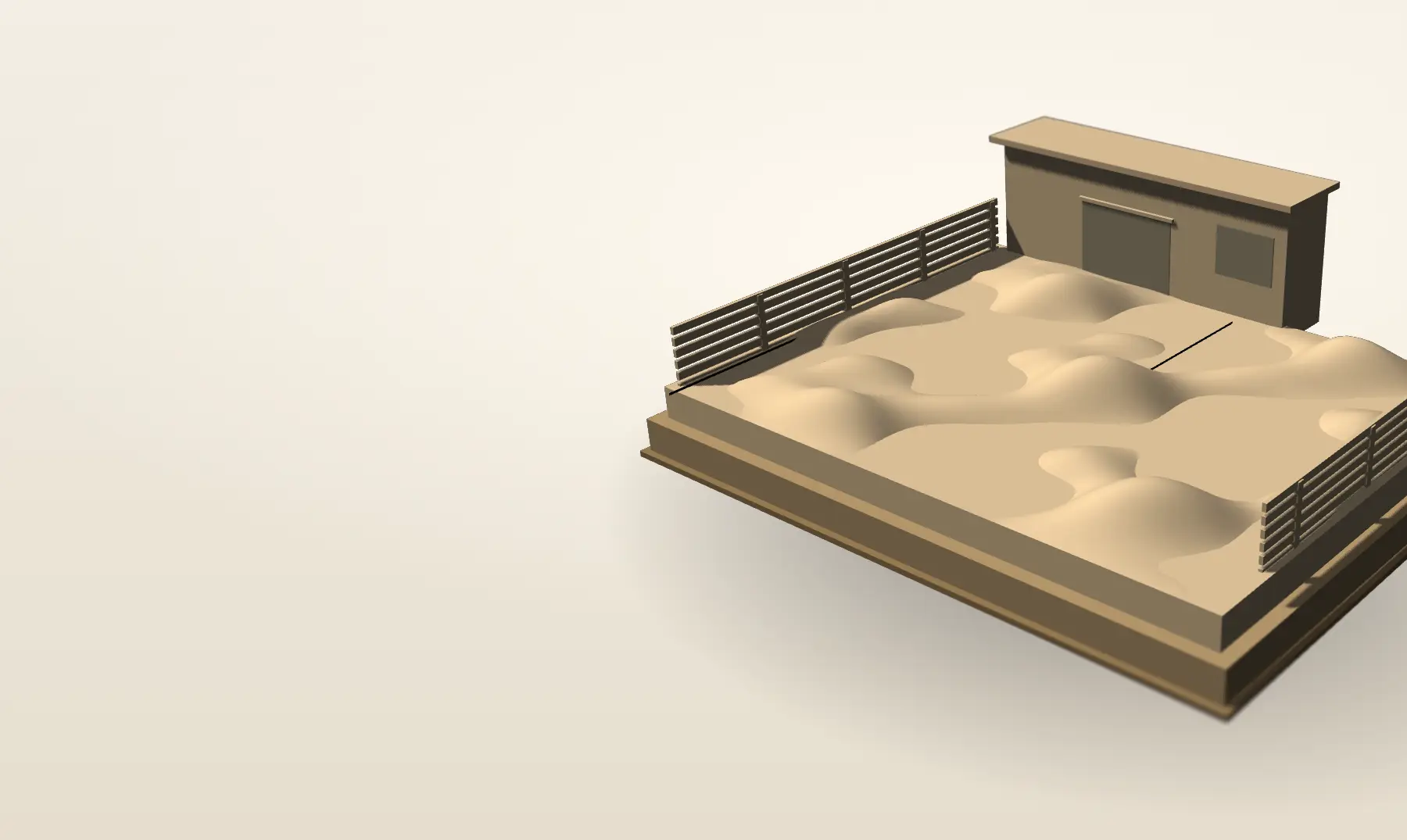
Survey and grade

Every yard starts as a lumpy model. Before any stone is chosen, the ground is measured, string lines go up and the soil is shaped so water runs away from the house, not toward the basement.

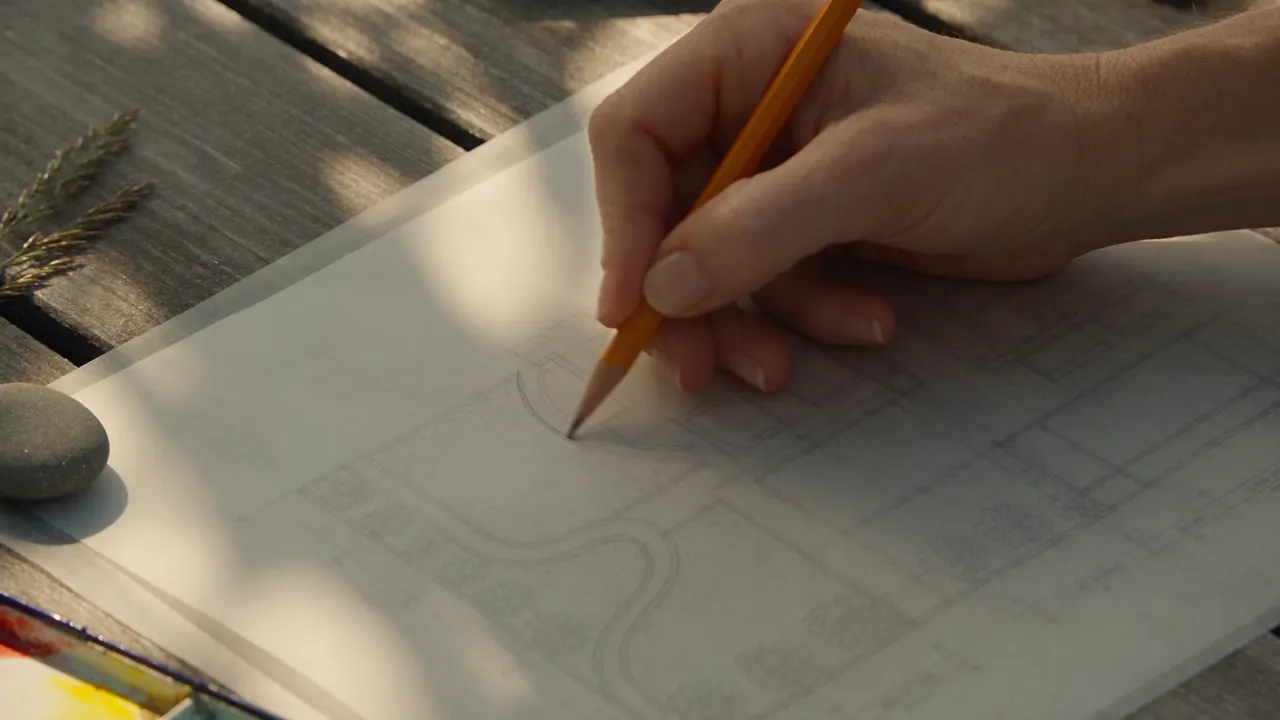
How the drawing comes first: landscape design in Ottawa
02

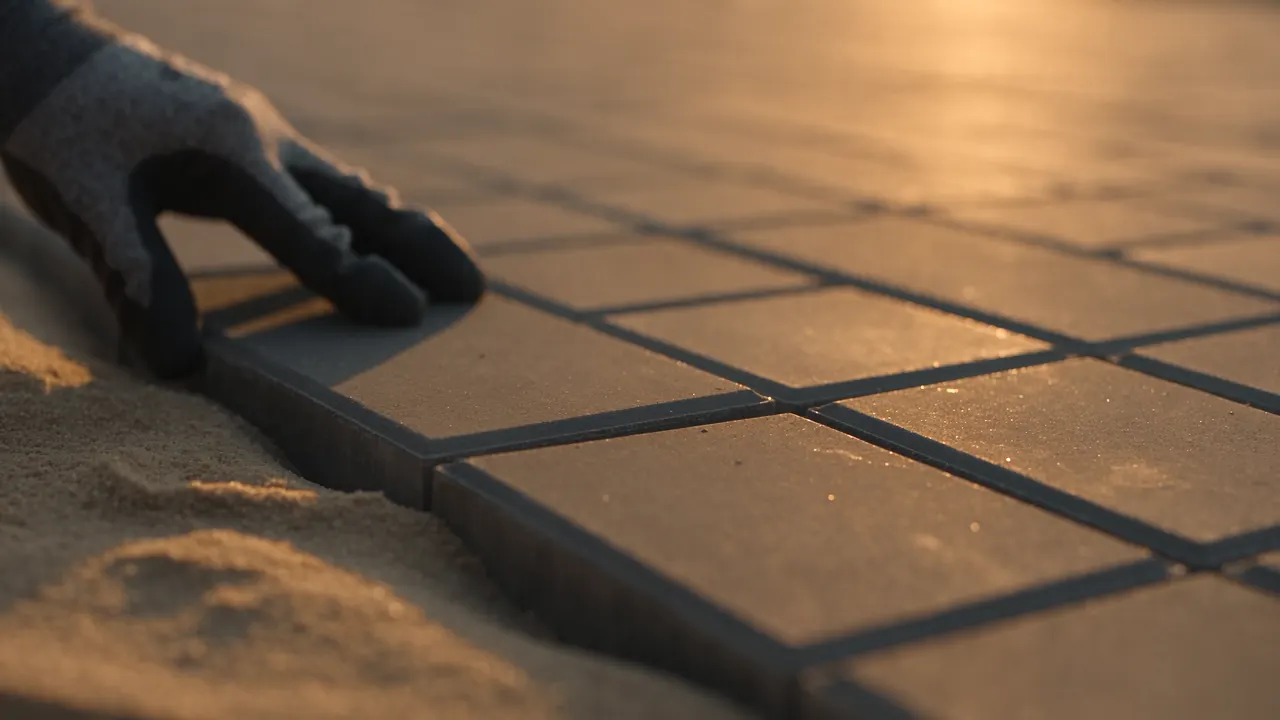
Base, then interlock

Compacted aggregate, a screeded bed of sand, then pavers laid in a herringbone that locks together under load. The base is the part you never see and the reason a patio is still flat in ten Aprils.

Patios, walkways and driveways: interlock in Ottawa
03

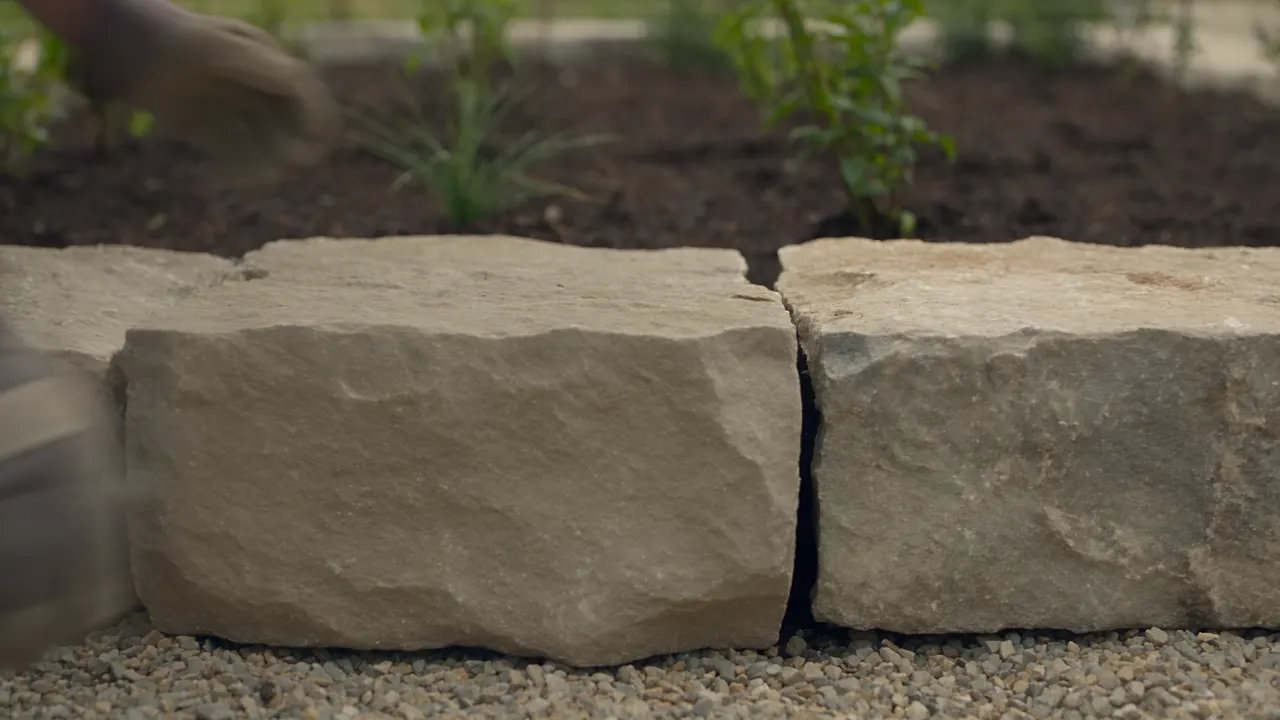
Stone walls and steps

A limestone seat wall rises course by course, every block set on a level base and stepped back into the slope. Steps connect the patio to the lawn without a single loose tread.

Walls, steps and natural stone: hardscaping in Ottawa
04

Sod, beds and trees

Fresh sod unrolls over prepared topsoil, joints staggered and pressed tight. Beds get trees, shrubs and grasses chosen for sun, soil and a zone 5a winter, then a layer of mulch.

Sod, seed and upkeep: lawn care in Ottawa
05

Light for the evening

Low path lights, a warm wash under the wall cap, uplights in the trees and a fire table on the patio. The garden that worked all day keeps going after dark.

Planning landscape lighting
06

The plan, finished

From above, the finished yard reads like the drawing it started as. That is the point: you see the whole garden on paper before a machine arrives. Drag the model to turn it.

Try it: compose your own yard

The garden is a room

A yard in Ottawa has to survive five seasons, not four.

Spring thaw, a short hot summer, a long golden fall, a deep winter, and the freeze and thaw that sits between all of them. Good landscaping in Ottawa is designed for every one.

Most of what goes wrong in an Ottawa backyard goes wrong underground. A patio that heaves after its third winter, a retaining wall that leans toward the lawn, sod that browns by July, a cedar hedge that dies in a line where the downspout drains: almost every one of these starts with soil, water and frost, not with the stone or the plants on top. That is why every project here starts on paper and in the ground before it starts at the garden centre.

What makes Ottawa different

Much of the city sits on clay. The Ottawa Valley was once the floor of the Champlain Sea, and the marine clay it left behind, known locally as Leda clay, holds water, drains slowly and moves when it freezes. National Research Council experiments on Leda clay here in Ottawa measured frost reaching more than a metre into the ground. Anything built on top of that soil needs a base designed for it: deeper excavation where the clay is soft, compacted granular material that drains, and a grade that sends water away from the house.

Other parts of the city sit on the opposite problem. In parts of Kanata and the west end, rock is close to the surface, and a patio or a tree pit can hit it a spade or two down. In the rural south, around Manotick and Greely, lots are bigger and many homes run on wells and septic systems, which change where you can dig, plant and drive a machine.

Then there is the climate. Natural Resources Canada updated its plant hardiness map in 2025 using 1991 to 2020 climate data, and Ottawa remains in zone 5a. That is a useful planning line, not a guarantee: a plant rated for zone 5 can still fail in a wet clay bed, a salt-sprayed strip along the driveway or a wind-blown corner. Plant choice here is about microclimate as much as the map.

Design first, every time

A drawing costs far less than a mistake in stone. Every project, from a single walkway to a full backyard, starts with a site visit and a plan: where the sun falls through the day, where water goes in a storm, which trees are protected, where the utilities run, how the yard is used now and how you want to use it. You see the layout, the materials and the planting before anything is ordered. Changes happen on paper, where they are cheap.

The model you just watched build itself is that process in miniature. It is also the order a real project follows: grade and drainage first, then the hard surfaces, then walls and steps, then soil, sod and planting, and lighting last, so that nothing finished has to be dug up for something that should have gone in earlier.

What we do, and what we do not

Ottawa Landscaping Pros designs and builds residential landscapes across the city: landscape design and planting plans, interlock patios, walkways and driveways, hardscaping such as retaining walls, steps and natural stone, and lawn care from new sod to a full season of upkeep. We focus on spring, summer and fall landscape work; winter is when designs get drawn and the next season gets scheduled.
5aOttawa's plant hardiness zone on the 2025 Natural Resources Canada map
30 cmTrunk diameter at which a private tree is protected under Ottawa's Tree Protection By-law
5Business days' notice Ontario One Call asks for before any digging, free
50%Most of a lot's frontage a driveway may cover under the City's Access By-law

The herbarium

Four services, pressed and labelled.

Every garden is some mix of these four. Most projects use two or three; a full backyard uses all of them, in this order.

A lawn is the only part of a garden you are invited to walk on. Run your cursor through it.

Lawn care, sod and seed

How a project runs

Six steps, in the right order.

The order matters as much as the work. Drainage before stone, stone before soil, soil before plants, plants before light.

  1. A walk around the yard

    A visit to see the space, the slope, the soil, the sun and the trees, and to hear how you want to use the yard. Bring photos of gardens you like, and the ones you don't.

  2. A drawn plan

    A scaled layout of hard surfaces, walls, beds and lawn, with materials and a planting list. For bigger projects, lighting and drainage are drawn in too, so nothing gets improvised on site.

  3. Permits, locates and paperwork

    Utility locates through Ontario One Call, a check for protected trees, and an access permit if a driveway changes where it meets the street. A written contract sets out the work, the materials and the schedule.

  4. Excavation and base

    Digging to the right depth for the soil, then compacted granular base in lifts. This is the slowest, least photogenic day of the job, and the one that decides how long everything lasts.

  5. Stone, soil and planting

    Pavers, walls and steps go in, then topsoil, sod and the planting plan. Trees and shrubs are set at the right depth, watered in and mulched.

  6. Light and handover

    Lighting is set and aimed after dark. You get a walk-through, watering instructions for new sod and plants, and a simple care calendar for the first year.

The landscaping year, Ottawa edition.

Ottawa's season is short and sharp. Here is what each part of the year is good for, and why booking early matters.

April to June

Spring

The ground thaws from the top down, and soft, saturated soil is the enemy of good work. Heavy machines wait until the ground firms up.

  • Clean-up, edging and the first cut once the lawn is growing
  • Sod and planting as soon as soil is workable
  • Interlock and walls once the base can be properly compacted
  • The busiest booking month for summer builds is usually now, or earlier
June to August

Summer

Prime building season for patios, walls and driveways. Long days, dry soil and the best conditions for compaction.

  • Interlock, retaining walls and natural stone
  • New sod needs deep, regular watering in heat
  • Mow high and let the lawn go a little dormant in a drought rather than fight it
  • Lighting is set and aimed on summer evenings
September to November

Fall

The best season for the lawn and for planting trees and shrubs: warm soil, cool air and steady rain.

  • Overseeding works best from late August to mid September
  • Aeration, top-dressing and fall feeding
  • Trees and shrubs planted early enough to root before freeze-up
  • Leaves cleared before the first snow to prevent snow mould
December to March

Winter

The ground is frozen and the drawing board is warm. This is when the best spring and summer projects are designed.

  • Site measurements and design drawings
  • Material selection and quotes
  • Planning around protected trees and permits
  • Booking a start date before spring fills up

The studio

Tools for planning your own yard.

Five things you can do right now, before anyone comes out: compose a layout, estimate materials, find plants that will actually grow in your conditions, see what each month is good for, and build your own before-you-dig checklist for Ottawa.

Tool 01

Compose your yard

Pick a paving style, a stone colour, a planting mood and a lighting plan, then switch to dusk. When it looks right, send the combination with your request.

Plan view · Day
Paving pattern
Stone colour
Edge and wall
Planting mood
Lighting
Time of day

Tool 02

Material calculator

Rough quantities for a patio, walkway, driveway, new lawn or planting bed, so you can sanity-check a quote. Base depths shown are the industry minimums; Ottawa clay and frost often call for more, and your installer sets the final depth after seeing the soil.

Tool 03

What will grow here?

Tell it about the spot. It suggests plants hardy in Ottawa's zone 5a that suit the light, the soil and what you want the bed to do. Plants marked native grow wild in Eastern Ontario.

Sun
Soil
Moisture
I want

Suggestions are a starting point. Salt spray, wind, drainage and how big a plant gets in ten years all matter; a planting plan accounts for them.

Tool 04

Ottawa garden calendar

Pick a month to see what the yard needs and what kind of project fits. Timing shifts with each year's weather, so treat it as a guide, not a rule.

Tool 05

Before you dig: your Ottawa checklist

Answer a few questions and get a checklist of the City and provincial steps that apply to your project, with links to the source.

Will the project involve any digging, even for a post or a tree?

Is there a tree with a trunk 30 cm or more across (about the width of a dinner plate) on your lot, or a City tree on the boulevard, within a few metres of the work?

Are you widening, moving or adding a driveway or walkway where it meets the street?

Are you hiring someone to build a patio, walkway, driveway, wall or steps?

Is there a retaining wall taller than about 1 metre, or a big change in grade?

Do you have water pooling in the yard, or downspouts emptying onto paving?

Is your home on a septic system or a well (common in the rural south and west)?

Your checklist

    Read before you dig

    Ottawa landscaping rules worth knowing.

    Several City and provincial rules apply to ordinary backyard projects. None of them are hard to follow, but they are much easier to plan around than to fix afterward. Always check the current rules at the source; the City's own Landscaping Education Guide is a good place to start.

    City of Ottawa · since March 2026

    Hardscaping contractors need a City licence

    Businesses that install or change hard landscaping on private property, such as driveways, parking pads, gravel areas, retaining walls, steps, walkways and patios, now need a City of Ottawa business licence. The City's advice to homeowners is simple: ask the contractor for a copy of their licence before work starts.

    City of Ottawa business licensing
    City of Ottawa · April 8, 2026

    The new Access By-law for driveways

    The Access By-law replaced the old Private Approach By-law. It covers the part of a driveway or walkway inside the City's right of way. A permit is needed to build, widen or close an access, though some modest extensions and walkways no longer need one. Driveways are limited to half of the lot frontage, and permeable surfaces are allowed.

    ottawa.ca: driveways and access
    City of Ottawa · Tree Protection By-law

    Big trees are protected

    On most urban lots, a private tree with a trunk 30 cm or more across, measured 1.3 m above the ground, is a distinctive tree and needs a City permit to remove or injure. That includes cutting roots for a patio. The City's guidance is to keep construction about 10 cm from the trunk for every centimetre of trunk diameter.

    ottawa.ca: Tree Protection By-law
    Ontario · the law since 2012

    Locate before you dig

    Before any digging, including planting a tree or setting a fence post, Ontario One Call must be contacted for free utility locates, at least five business days ahead. Gas, hydro, water and communications lines are marked on site. If you hire a contractor, make sure they have requested the locates.

    Ontario One Call for homeowners
    City of Ottawa · Rain Ready Ottawa

    Rebates for managing rain

    Rain Ready Ottawa offers rebates, up to $5,000 in total, for projects that soak up rain where it falls: rain gardens, soakaway pits, downspout redirection and permeable pavement. Eligibility depends on where you live and on using a certified Fusion Landscape Professional or completing the City's free courses. Check the program page before you plan.

    ottawa.ca/rain
    Ontario · since April 2009

    No cosmetic pesticides

    Ontario's cosmetic pesticides ban means most synthetic weed and insect killers cannot be used just to make a lawn or garden look better. Healthy lawns here are built with thick turf, good soil, proper mowing height and lower-risk products allowed under the rules.

    Ontario: pesticides

    Before you ask for a price

    What decides the cost of a landscaping project.

    Every yard is priced on its own, after a visit. These are the things that move the number most, so you know what to expect before anyone measures.

    Access and excavation

    How much soil has to come out, and how a machine gets in. A backyard reached through a one-metre side gate takes longer than a front yard on the street. Removal of old concrete, interlock or soil adds disposal costs, and clay that has to go deeper for a stable base adds both.

    The base underneath

    A walkway needs less base than a patio, and a patio needs less than a driveway that carries cars. Ottawa's clay and frost push base depths beyond the minimums in the industry guides. A quote that looks cheaper often has less of what you will never see.

    Materials

    Standard concrete pavers, larger slabs, natural limestone, armour stone and flagstone sit at very different price points, and so do the patterns: herringbone and curves mean more cutting than a straight running bond. Planting ranges from small perennials to trees that need a machine to place.

    Grade changes

    A flat yard is the simplest. Every step, wall and terrace adds stone and labour, and walls above about a metre generally need engineering. Slopes are also where drainage needs the most thought.

    What comes last

    Lighting, irrigation, sod versus seed and the size of plants at planting all change the total. A good plan lets you build in phases: the hard surfaces and drainage this year, planting or lighting the next, without tearing up anything already finished.

    Where we work

    Across Ottawa, neighbourhood by neighbourhood.

    Each part of the city has its own soil, its own age of house and its own kind of yard. These four have pages of their own; the rest of Ottawa is listed below.

    The rest of the city

    Barrhaven. Much of Barrhaven was built in the last twenty-five years, so most yards here start with builder grading, thin topsoil over compacted clay and a few sticks for trees. New sod laid on that base struggles in its first dry summer. Backyard projects here are often first projects: a patio off the back door, a walkway to the side gate, real topsoil, and trees that will one day give shade.

    Stittsville. Older village streets near Stittsville Main Street sit beside subdivisions that are only a few years old, and the yards differ just as much. Newer lots tend to be compact, with rear-yard swales that carry water between houses; those swales cannot be blocked by a patio, a wall or a raised bed, so drainage is part of every plan.

    Also serving Westboro, the Glebe, Alta Vista, Riverside South, Greely, Gloucester, Blackburn Hamlet, Carp and the communities in between. If you are not sure whether your street is in range, call 613-851-7831.

    Questions people ask first.

    How much does landscaping cost in Ottawa?

    It depends on the size of the yard, how much soil has to come out, how a machine gets in, the materials and the number of grade changes, so every project is priced after a visit. A useful way to plan is in phases: drainage and hard surfaces first, then planting and lighting later, with a design that ties them together. The material calculator on this page gives rough quantities so you can sanity-check any quote.

    When should I book a landscaping project in Ottawa?

    Earlier than you think. Design work happens best in winter, and spring and summer build slots fill as soon as the ground thaws. If you want a patio by July, start the conversation in the winter or early spring. Lawn renovation and tree planting are best planned for late summer and fall.

    Do I need a permit to landscape my yard in Ottawa?

    Most backyard work does not need a building permit, but several rules can apply: a City tree permit if a protected tree is affected, an access permit if a driveway changes where it meets the street, a building permit for some retaining walls over one metre, and free utility locates through Ontario One Call before any digging. The before-you-dig tool on this page builds a checklist for your project.

    Does my landscaper need a licence in Ottawa?

    Since 2026, the City of Ottawa requires a business licence for hardscaping contractors, the businesses that build or change driveways, parking pads, gravel areas, retaining walls, steps, walkways and patios. The City recommends asking to see a copy of the licence and getting a written contract before work starts.

    Why do patios and walls heave in Ottawa?

    Water and frost. Clay soils hold water, water expands as it freezes, and frost can reach more than a metre into the ground here. A patio or wall built on a thin base, or on soil that stays wet, gets lifted a little every winter. The fix is a deeper compacted granular base, good drainage away from the structure, and the right edge restraint.

    Can you design the yard now and build it over two or three years?

    Yes, and it is often the smartest way to do it. A full design means the patio built this year already has the right drainage, the conduit for future lighting and the grade for next year's planting, so nothing finished gets torn up later.

    Do you do snow or winter services?

    No. Ottawa Landscaping Pros focuses on landscape design and building, interlock, hardscaping and lawn care from spring to fall. Winter is used for design work and planning the next season.

    Which parts of Ottawa do you serve?

    The whole city, including Kanata, Orleans, Nepean, Manotick, Barrhaven, Stittsville, Riverside South, Westboro, Alta Vista, Gloucester and Greely. Call 613-851-7831 if you are not sure about your street.

    Start with a conversation

    Tell us about your yard

    613-851-7831

    Call for the quickest answer, or send the form and you will get a call back to talk through the yard, the timing and what a site visit involves.

    Your name, phone and details are used only to reply to this request. They are not added to a mailing list or sold.

    Call 613-851-7831